In the realm of artificial intelligence (AI), managing risk has become a critical aspect of developing and deploying AI technologies. As AI systems become more integrated into various industries — from finance to healthcare — the need for a prudent approach to risk management is more important than ever. Effective risk strategies ensure that AI technologies deliver their benefits while minimizing potential downsides and unforeseen consequences.
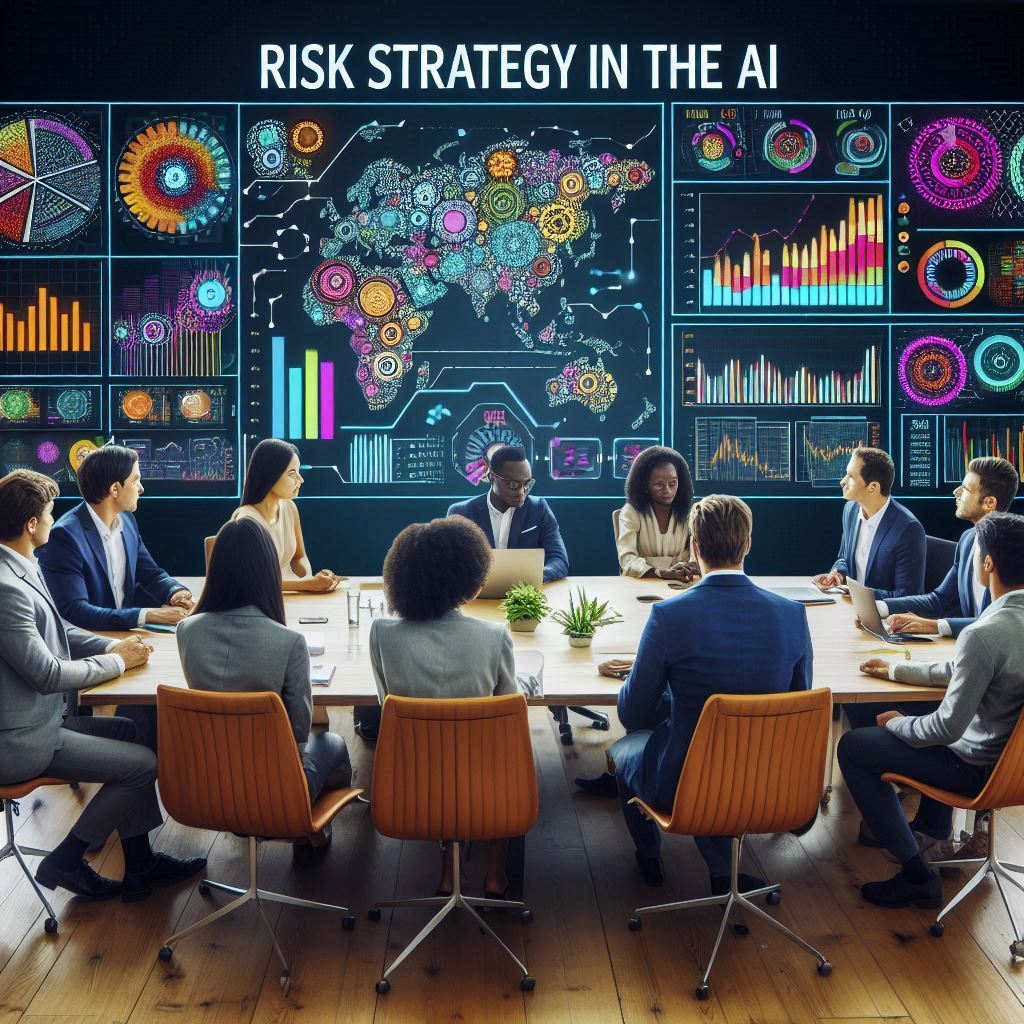
One of the fundamental aspects of AI risk management is understanding and mitigating the inherent uncertainties associated with AI models. Companies like DeepMind and OpenAI employ rigorous testing and validation procedures to identify potential risks in their models. This approach helps in assessing how AI systems behave in various scenarios and ensuring that they perform reliably and safely.
Data quality and security are pivotal in managing AI risks. AI systems rely on vast amounts of data to function effectively, and the quality of this data directly impacts the accuracy and reliability of the models. Firms such as Palantir Technologies and Snowflake emphasize robust data governance and security measures to protect data integrity and prevent breaches.
Another key component of risk management in AI involves transparency and interpretability. As AI systems can often be complex and opaque, ensuring stakeholders understand how decisions are made is crucial. IBM (IBM) has developed tools and frameworks to enhance the interpretability of AI models, helping users understand the rationale behind AI-driven decisions and building trust.
Ethical considerations also play a significant role in AI risk management. Companies like Microsoft and Google are actively working on ethical guidelines to ensure that AI technologies are developed and used responsibly. By addressing issues such as bias, fairness, and accountability, these companies aim to mitigate risks associated with unethical AI practices.
Regulatory compliance is another critical aspect of managing AI risks. As governments and regulatory bodies introduce new guidelines and standards, companies must ensure their AI systems adhere to these regulations. NVIDIA (NVDA) and Intel (INTC) are working closely with regulators to ensure their AI technologies comply with evolving standards.
Risk management also involves continuous monitoring and adaptation. AI systems operate in dynamic environments where conditions and data can change rapidly. Amazon Web Services and Microsoft Azure provide comprehensive monitoring and management tools to help organizations track the performance and behavior of their AI systems.
In conclusion, a prudent approach to risk in the AI world requires a multifaceted strategy that includes robust testing, data security, transparency, ethical considerations, regulatory compliance, and continuous monitoring. By adopting these practices, organizations can harness the power of AI while effectively managing and mitigating risks.